Bill Bryson makes me laugh wherever he goes . . .

Since I will be traveling over the next five days (work, not adventures), I’m going to pop in a little book recommendation before I head to Nashville. Maybe I’ll write about Nashville when I return but to be honest, when I’m traveling and managing logistics for a client’s conference, I don’t often get beyond the hotel.

Fortunately, I’m staying and working at the beautiful Gaylord Opryland Hotel, now owned and operated as a Marriott property. I’ll tell you more about it when I return.

Anyway – have you read any of Bill Bryson‘s books? I love travel memoirs and if they’re informative AND funny – so much the better. No one does it better than this writer.

Today I’m recommending . . .

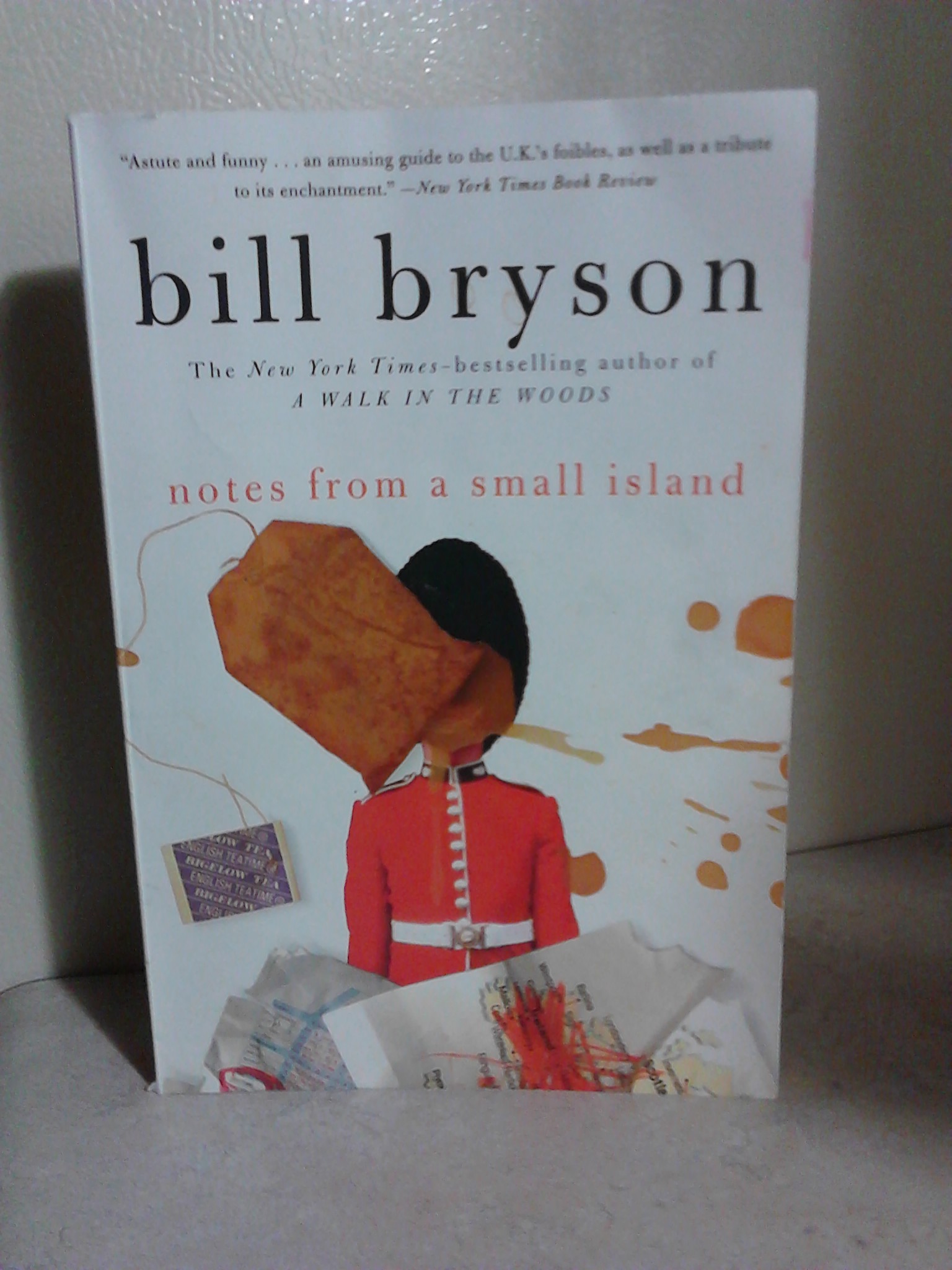
Bryson UK book

Bill was born and raised in Iowa, but worked in England as a young man. He married an English girl and they raised their family in the U.K. for nearly 20 years. When they decided to move to the U.S. to experience life here, Bill retraced his steps from his early days to write notes from a small island. While this book is a hilarious take on Brits and life in the U.K, his irreverent humor is balanced with such genuine affection, I would imagine that his English readers have as much fun, or more, than those of us who may not get every reference and in joke.

I read this book first at least five years ago and to tell the truth, I don’t remember the details having read about a thousand books since then. (And no, I’m not exaggerating. I love to read THAT MUCH.)

However, since I hope to go to England next month, this seemed like a great time to pull this gem off the shelf and read it again. I read just a bit last night and was not disappointed. Bill Bryson is one of the funniest writers around – and that’s not an exaggeration, either.

So, what I do know is that this book, like all Bryson’s other books, including In a Sunburned Country (misadventures in Australia) and A Walk in the Woods (slapstick on the Appalachian Trail) to name just a couple more, leave me gasping with laughter and hoping my Poise pad can handle the hilarity.

I’m counting on this one to keep me giggling and snorting at the gate and on the plane between Cleveland and Nashville on Saturday.

In the meantime, look for this book or ANY book by Bill Bryson if you’re in the mood for a deliciously funny read this weekend. If I had a reading blog I’d call it weheartbillbryson.com. He’s that good.

Posted in Travel, Uncategorized | Tagged , , , , , , | Leave a comment

A city I’ve added to my bucket list: Maastricht, the Netherlands

Several days ago I promised I’d tell you about a city I saw on HGTV’s House Hunters International. This post is about falling in love with a city based on glimpses in a 30 minute reality TV show.

How can that happen? Well, other than being ridiculously impressionable when it comes to cobblestone streets and castle-like turrets, well . . . here’s a photo. See what I mean?

Maastricht skyline

Beautiful Maastricht may be the oldest settlement in the Netherlands. It’s located on the Meuse River, practically in Belgium and just a stone’s throw from Germany. Archaeologists have discovered Neanderthal and Paleolithic remains in the area (we’re talking up to 25,000 BC, folks – or even earlier).

The Celts dropped in later around 500 BC and the busy Romans put their mark on it sometime in the first century AD. If you visit the main library you can see Roman coins, jewelry, pottery shards, etc. and around the city there are remnants of a bridge, a granary and – what else? – a Roman bath (see my Splish Splash post for more about the ubiquitous Roman baths).

When I visit, what I really want to do is wander around the city center of old town Maastricht. The Vrijthof Square dates from medieval times, when pilgrims came to pray at the grave of Saint Servatius. You don’t hear much about Servatius these days, but he apparently warranted a pretty fine cathedral. The Romanesque St. Servatius Basillica is adjacent to the picturesque square and the area is now temptingly packed with fine restaurants, outdoor cafes and shops.

Maastricht cafes

As an aside, Maastricht is the capital city of the province of Limburg. Are you familiar with Limburger cheese, which originated in this lovely area? It may well be the world’s stinkiest cheese and rivals the aroma that wafts from the tennis shoes of 12 year old boys (I know I’m not the only mother who made her son leave his shoes in the garage before entering the house for that prepubescent year or so).

Anyway, my parents occasionally hosted stinky cheese parties where the adults would sit around the kitchen table wolfing down Limburger and crackers and drinking beer. We kids would huddle together in the family room watching cartoons and holding handkerchiefs to our noses  in a vain attempt to block out the odor.

So, other than a slight fear of running into people eating stinky cheese, I really want to go Maastricht in the lovely province of Limburg.

When I checked online I learned that the city’s only about an hour away if I fly into Brussels, Düsseldorf or Cologne. I think it would be great to rent a car and take the opportunity to explore the area. You wouldn’t have to drive much to see gorgeous and not-so-touristy parts of the Netherlands, Germany, Belgium and Luxembourg – all comfortable little day trips from Maastricht itself.

Maastricht-map

One of my excursions would be to Aachen, Germany. This ancient and westernmost city in Germany was once home to Charlemagne. I would love to see the great ruler’s magnificent Palatine Chapel, which began construction in 792.

Whoa. Do I sound like a historian, or what? I actually saw the gorgeous Palatine Chapel on a reality TV show, too. I was every bit as surprised as supermodel Cindy Crawford was to learn that she is a descendant of Charlemagne on TLC’s Who Do You Think You Are?

Will you respect me more if i tell you I also watched a three-part series on Islam on PBS? I’m not completely shallow, but you could certainly describe my taste in television (and books) as eclectic.

But listen, have you been to this part of the world? If so, please send me your suggestions. I’d love to learn of more places to visit when I plan this trip. Happy travels to you!

Posted in Travel | Tagged , , , , , , , , , | 10 Comments

My favorite travel magazine

What makes you decide, I want to travel THERE?

Lots of random things can get me interested in a place and wishing I could visit. Watching House Hunters International on HGTV is one of my inspirations.

My son thinks I’m nuts.

“Why do you want to watch a show where people are looking for an apartment?” he asks. I tell him it’s not about the apartment or house (though I do get a kick out of what a home might look like in the Ukraine, say, or Hong Kong). It’s the little snippets of exploring a city’s main square, or what it might be like to have a view of one of Amsterdam’s canals outside my bedroom window that keep me tuned in.

Sigh . . . .

(And I am going to tell you about a city I am dying to visit as a result of one of those HGTV shows in a post coming soon.)

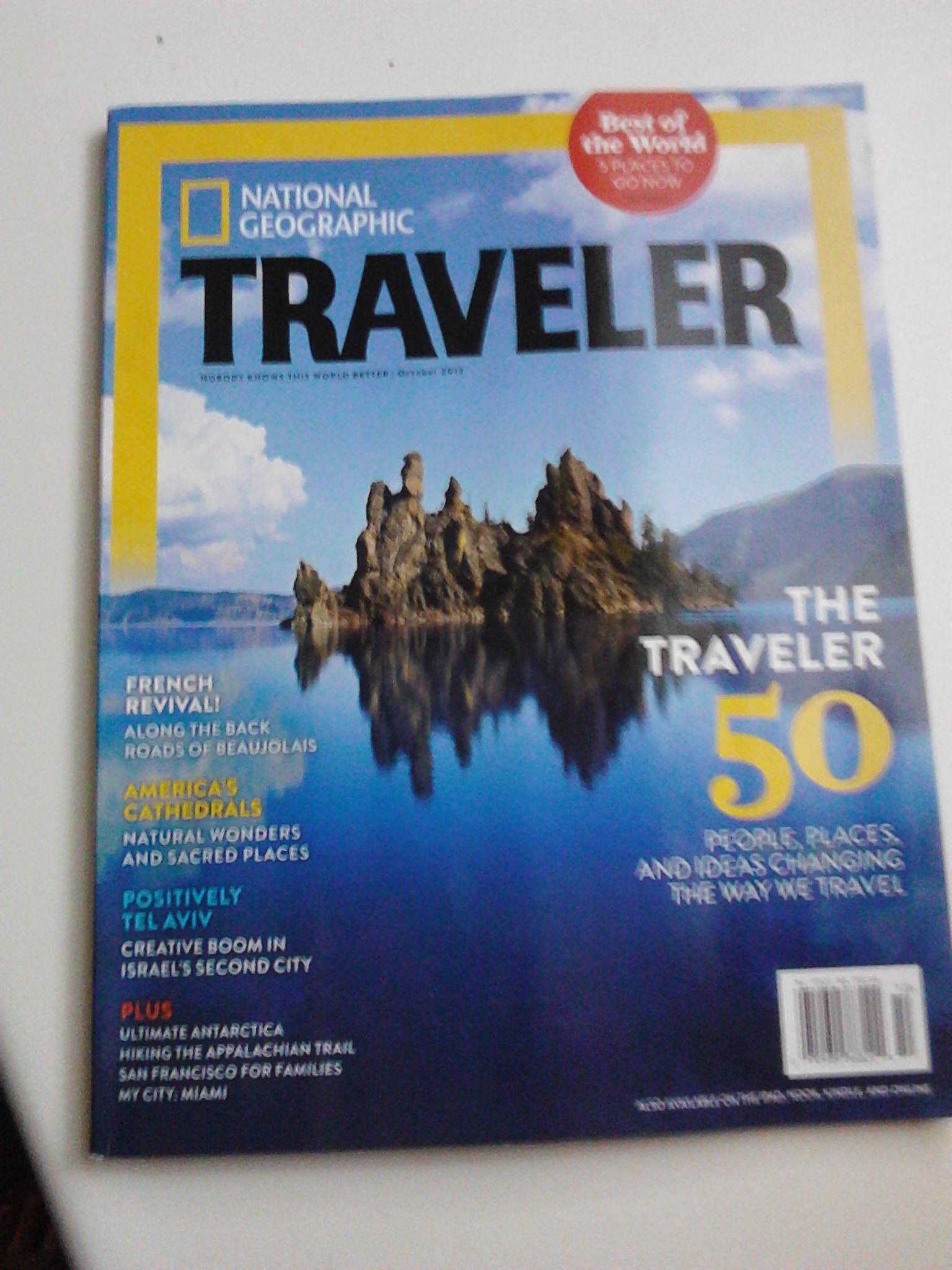
National Geogrpahic TravelerBut in the meantime, I’d like to introduce you to my favorite magazine, National Geographic Traveler. If you are a travel dreamer like me, I can tell you that this is the magazine that makes me want to curl up in my favorite chair and linger over nearly every page and photograph. It’s the best thing that shows up in my mailbox each month (yes, it only has to beat out flyers and bills, but it’s still awesome).

Why do I like this magazine? Well, first of all, it’s down to earth. As much fun as it is to occasionally drool over the high-end travel magazines, the bottom line is that I am not every likely to plunk down $300 a night to stay in a fancy pants hotel. My budget cannot handle browsing in shops that feature Chanel or Fendi. And I am definitely not going to start packing heels and a cocktail dress so I can spend a fortune on a four-hour, gourmet feast.

BeaujolaisNational Geographic Traveler offers more affordable (and usually more fun and funky) hotel suggestions. It focuses more on what to do than on ways you can spend money. For travelers like me who love going to Europe, articles like this one about the Beaujolais region in France are perfect. Just looking at the photos makes me want to go!

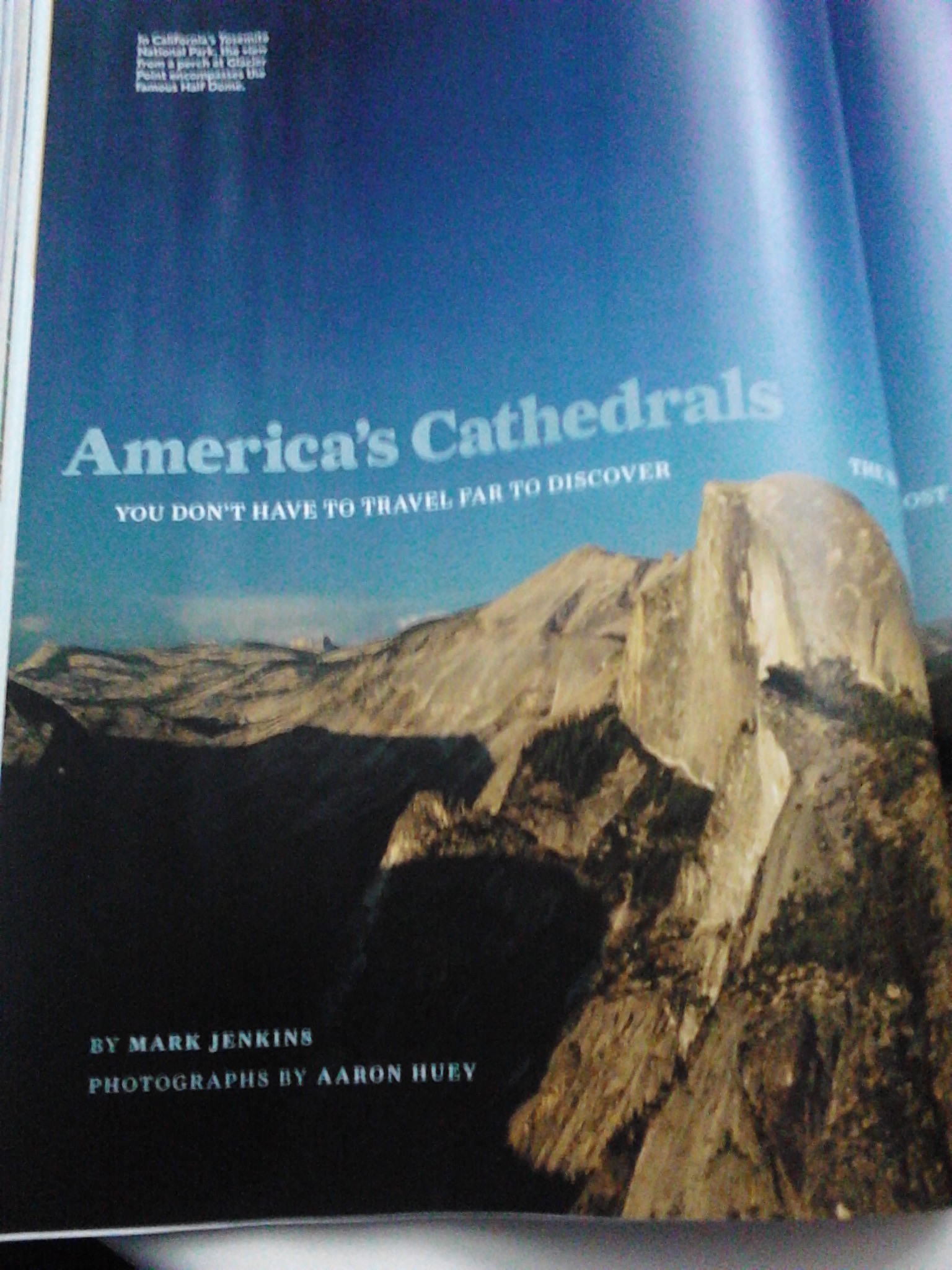
And for folks like my sister who prefers exploring closer to home, there are wonderful American cathedralsarticles like the one below. I think it’s fascinating to learn about some of the places that were revered by Native Americans. These natural wonders existed eons before the construction of such iconic architectural marvels as Notre Dame or the Taj Mahal.

So if you like to fuel your travel dreams with intriguing stories and world-class photos, you might enjoy treating yourself to a subscription, or take a trip to your local library to enjoy the latest issue of National Geographic Traveler.

I can hardly wait to take some time to savor my copy over the weekend. Happy Labor Day weekend!

Posted in Travel, Uncategorized | Tagged , , , , , , | 3 Comments

A few tips on tipping: #3 Doling out cash at the airport

Practically everyone I know carries their bag onto the plane these days to avoid having to pay a checked baggage fee. (As an aside – if you are one of those people dragging on a gigantic bag plus a laptop plus a backpack plus your purse plus your pillow plus your stuffed kitty plus . . . KNOCK IT OFF. People who lug half of the contents of their bedrooms on board are a freaking pain in the ass.)

Bins from hell

Bins from hell

If you can’t bear paying to check a bag, then PLEASE carry on a bag that is actually the right size to fit under your seat or in the bin with other people’s bags. Alternatively, you can fly Southwest (no checked bag fee) or consider getting a credit card through the airline you travel on most frequently. I more than make up the yearly fee for my MileagePlus Visa (through United and Chase) by being able to check one bag free on each flight. This saves me from standing on my tiptoes, trying to hoist a bag into the last available six inches in the bin over my seat – and it’s worth every cent to this short, old traveler.

As for tipping, if you check a bag at the airport’s curbside check-in, always tip the skycap at least $2 a bag. If I have a really large bag – and especially if the bag and I have to make connections – I’ll bump that up to $5. I’m sure there are plenty of big spenders who tip more than that, but I think it’s safe to say that those amounts are a respectable starting place.

Why tip the skycap? Well, I am knocking on wood so the airline fairies don’t get me for saying this out loud, but . . . so far, in more years of travel than I care to admit, I have only had a bag delayed twice – and never lost one. I believe that the nice guys at curbside check-in are the reason why my bags go where they’re supposed to go. I’m nice. I take care of them, they take care of me . . . it works out for both of us.

Getting help, getting around

Not everyone uses assistance getting around inside the airport. If you do, these next thoughts are for you.

Gate X92, please!

Gate X92, please!

At my home airport, Cleveland Hopkins, there are little golf cart-type vehicles that will take people to the gates if they have trouble walking or are loaded down with babies and bags or whatever. Anyone can just hop on and the nice driver will take you wherever you need to go.

A few years back I was traveling with a favorite uncle to my nephew’s wedding. He and my mother needed the golf cart to get to a far gate, so I flagged one down after we went through security. Imagine my surprise when we were dropped off at the far end of the C Gates and my uncle said he did not “believe” in tipping the driver because the airport was paying for the service. I tipped the driver for all of us but, as you may have guessed, gave my uncle an earful after the cart left.

Here’s the thing. Take a look at the drivers in your airport sometime. Chances are they are mostly older folks. I am guessing they are retired people who can’t live on social security alone and are trying to pick up a few extra bucks.

Alternatively, they could just be super-friendly people who would rather drive strangers around the airport all day than say, play golf or sit on the couch at home watching “Judge Judy.” I can’t say for sure, but I’ll lay odds that they’re doing it FOR THE MONEY. If I have to spend my retirement years driving people from one gate to another at Hopkins, I hope you’ll tip me. I guarantee you I won’t be doing it because I’m such a people person.

Give the driver a dollar, a smile and a big thank you.

About wheelchair assistance

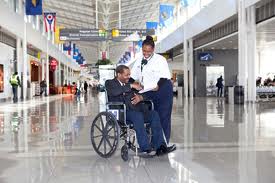
And finally, airports around the world provide a complimentary wheelchair with an attendant, for anyone who requests this assistance. It doesn’t matter if you’re elderly and arthritic, or a kid with a broken ankle, or are just pretending to be sick because you don’t want to walk from security to Gate Q110 (they are too discreet to insist that you describe and prove that you have a legitimate disability).

airport wheelchair

These nice people will meet you at the door of the airport, help you check your bags and get quickly through security, and deliver you to your gate. I don’t know when the last time was that you pushed anyone in a wheelchair anywhere – but that’s hard work! Tip handsomely, please – and smile, and say thank you.

When it comes to tipping, I say when in doubt, err on the side of generosity. Whenever you wonder if you should leave $4 or $5, think of what a difference that extra dollar may make to someone else. Include a smile and a “thank you” whenever you’re face to face with the person who served you.

And finally, for more information on tipping in Europe, you can count on Rick Steves for great advice, as always. I’m not sure where you can learn what’s customary in other parts of the world, but I’ll bet if you Google “tipping in Thailand,” you’ll get a number of sites offering practical information.

Happy travels . . . and be nice!

Posted in Travel | Tagged , , , , | Leave a comment

I went to Spain but it was closed

That actually happened to me last year.

When you’re traveling according to a set schedule – whether you planned it yourself, or following the itinerary of a group tour or cruise – you don’t want to make the mistake of visiting a great spot, but on the wrong day.

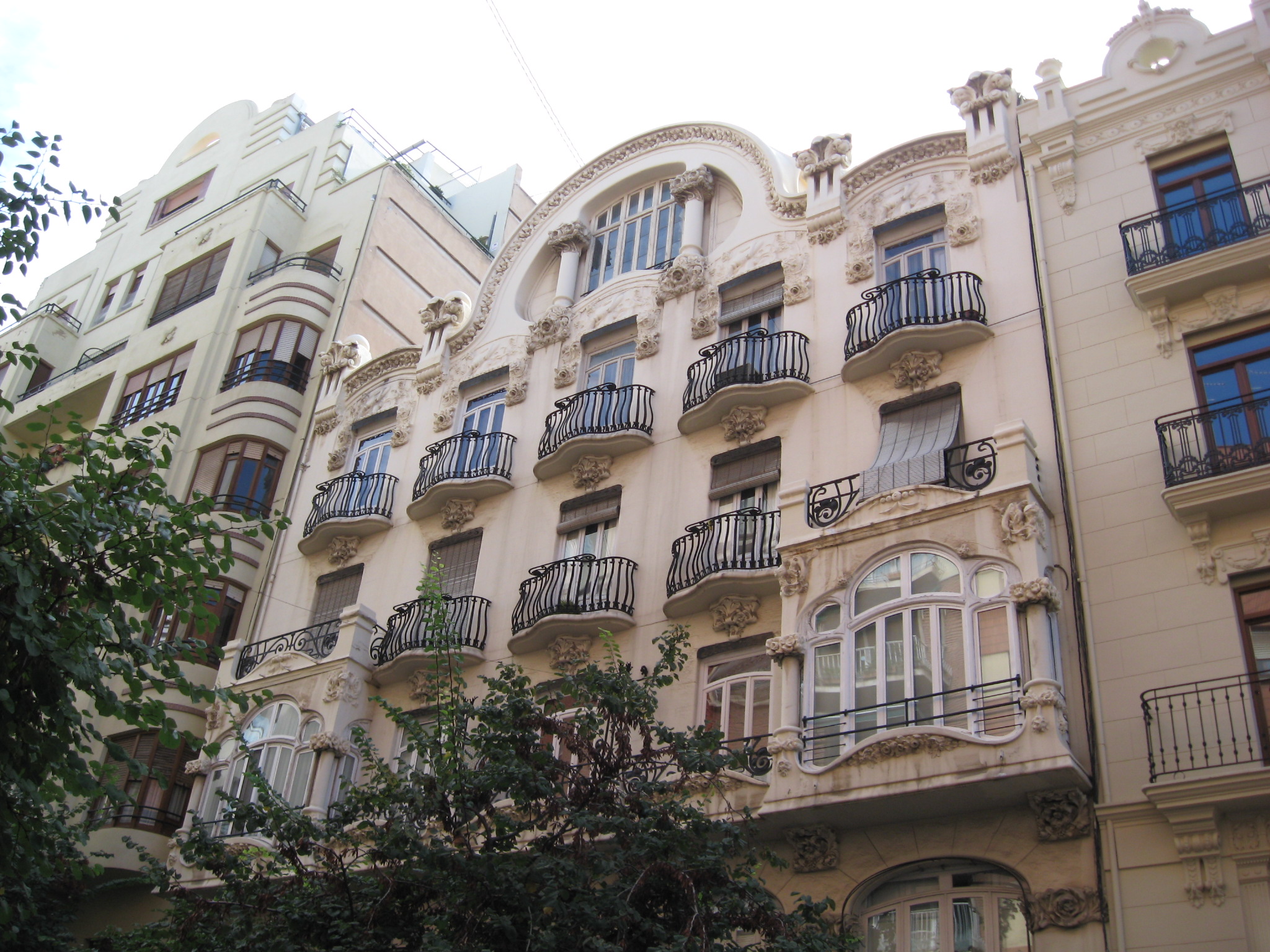
In my case, our Costa cruise ship docked at beautiful Valencia on a Spanish national holiday called Hispanic Day. Every year on October 12, all businesses, schools and government offices in Spain are shut down to celebrate Christopher Columbus’ discovery of the Americas.
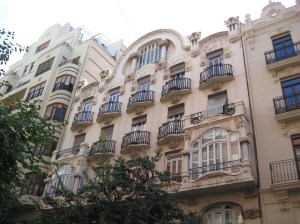
Loved the architecture in Valencia!

Loved the architecture in Valencia!

And I do mean SHUT DOWN. A handful of cafes and souvenir shops ringing the city’s main plaza were open for tourists, but that was about it. Who would have guessed?

Years ago when my brother and sister-in-law honeymooned in Europe, their one day in Florence happened to fall on a Monday. Now, Bob had seen quite a bit of Italy while spending his junior year of college in Luxembourg (seemed to me at the time he did a lot more bumming around Europe than studying, but that’s another story). However, this was Donna’s first trip. She had always dreamed of seeing Michelangelo’s exquisite statue of David.  But guess what? The Accademia Gallery where David is on display is closed on Mondays.
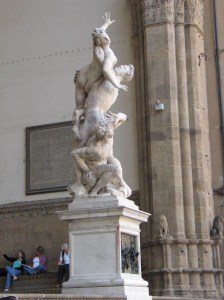
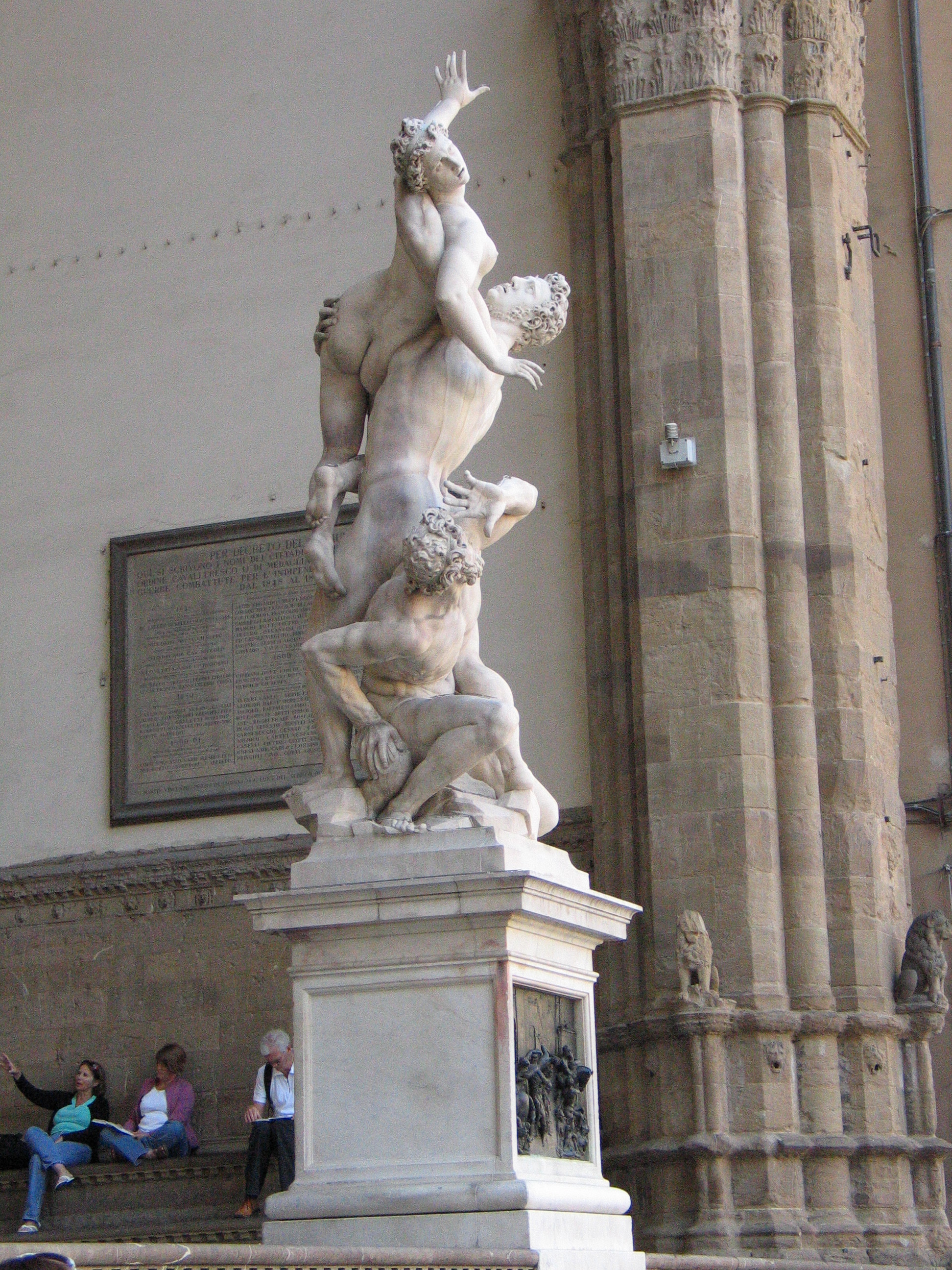
If you can't see David, see the "Fake David" or (here) Giovanni Bologna's Rape of the Sabine Women in the Piazza della Signoria, Florence

If you can’t see David, see the “Fake David” or (here) Giovanni Bologna’s Rape of the Sabine Women in the Piazza della Signoria, Florence

Oops. Donna and Bob have been fortunate to do plenty of traveling since then, but it wasn’t until nearly 30 years later that they returned to Florence – and Donna finally met the marble masterpiece.

How can you avoid these disappointments? Well, if there is something special on your wish list and this may be your one and only chance to see it . . . for heaven’s sake, do your homework before you book the trip! If you’ve always dreamed of walking in the steps of Marie Antoinette at Versailles – don’t take the Metro out to the last station in the Paris ‘burbs on a Monday.

And while many museums are closed on Mondays, as soon as you decide to bank on that, you’re sure to run into a disappointing exception to the rule. Here’s some information about a number of popular European destinations:

The fabulous Louvre in Paris is closed on Mondays, as well as Christmas Day, New Year’s Day, May 1 and August 15. Show up on one of those days and there will be no Mona Lisa moment for you.

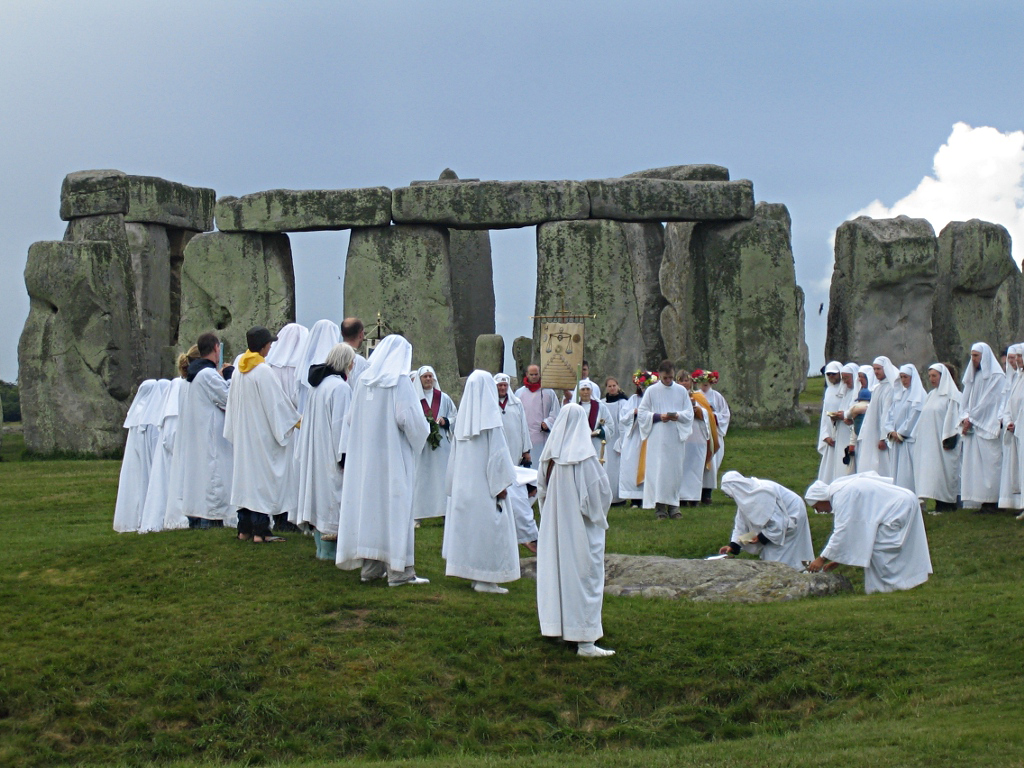
The site of England’s ancient Stonehenge in the Salisbury Plain is open to the public just about every day but Christmas Eve and Christmas day. But – if you check out the historical site’s website, it also states that there may be “restrictions at the Solstices and other times, which are at their discretion, when visiting may not be possible.”  Huh? I’m picturing something like this:
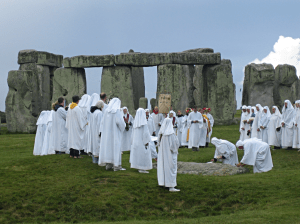
Solstice at Stonehenge?
Solstice at Stonehenge?

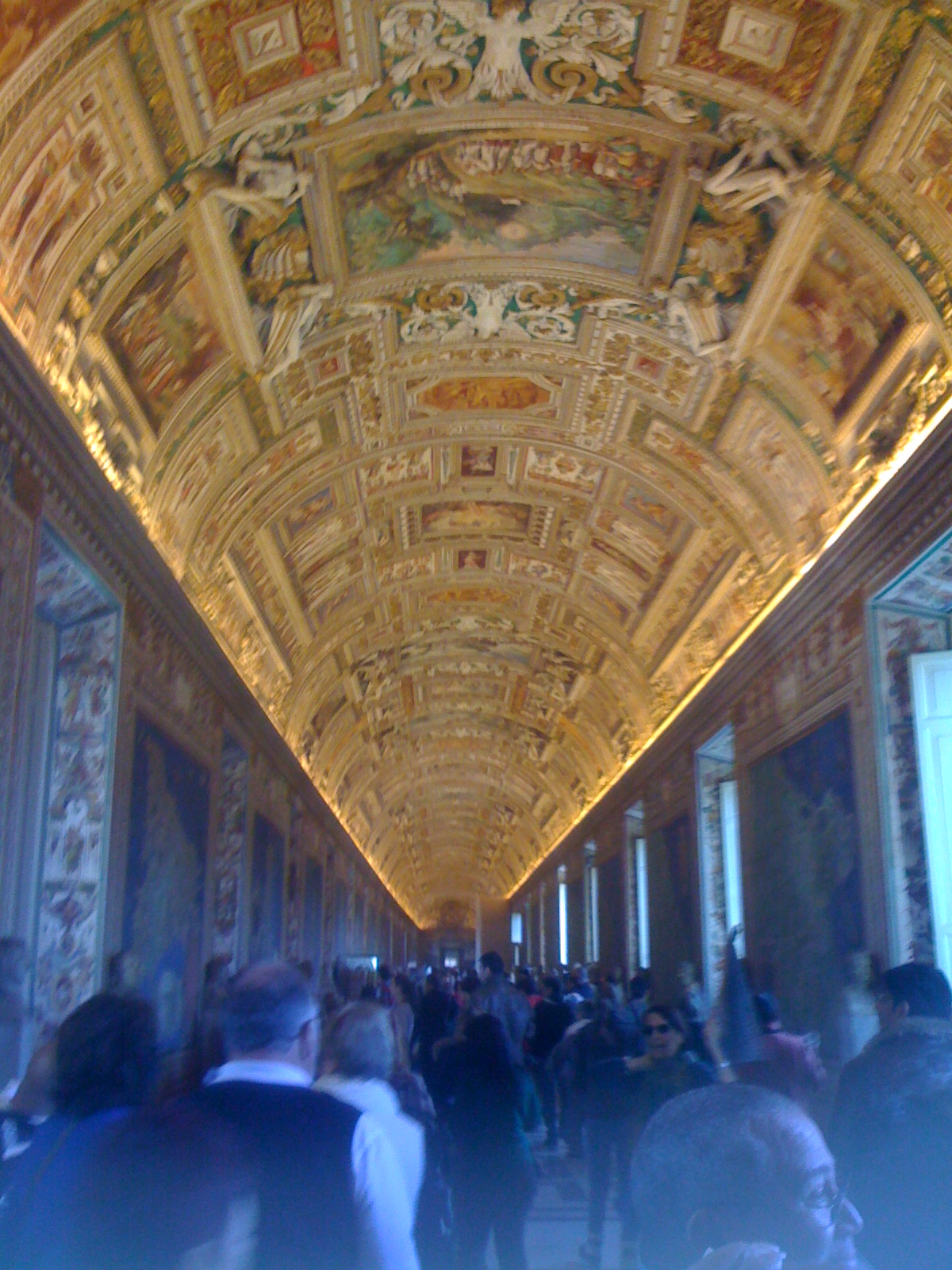
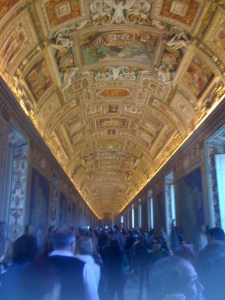
Ceilings of gold, Vatican museum

Ceilings of gold, Vatican museum

Not surprisingly, the Vatican Museum is closed on Sundays, except for the last Sunday of every month when admission is free from 9:00 am to 12:30 pm. Check the Vatican website for a boatload of other days that also are closed (presumably holy days).

In freewheeling Amsterdam the magnificent Rijksmuseum and Van Gogh Museum are open daily all year. (And if Amsterdam isn’t on your bucket list because you think it’s all about smoking pot in “coffee houses” or ogling hookers in the Red Light District – think again. I kind of thought so, too. I now can testify that it is one of the most beautiful, cultured, fascinating and friendly cities I’ve ever visited. LOVE IT!)

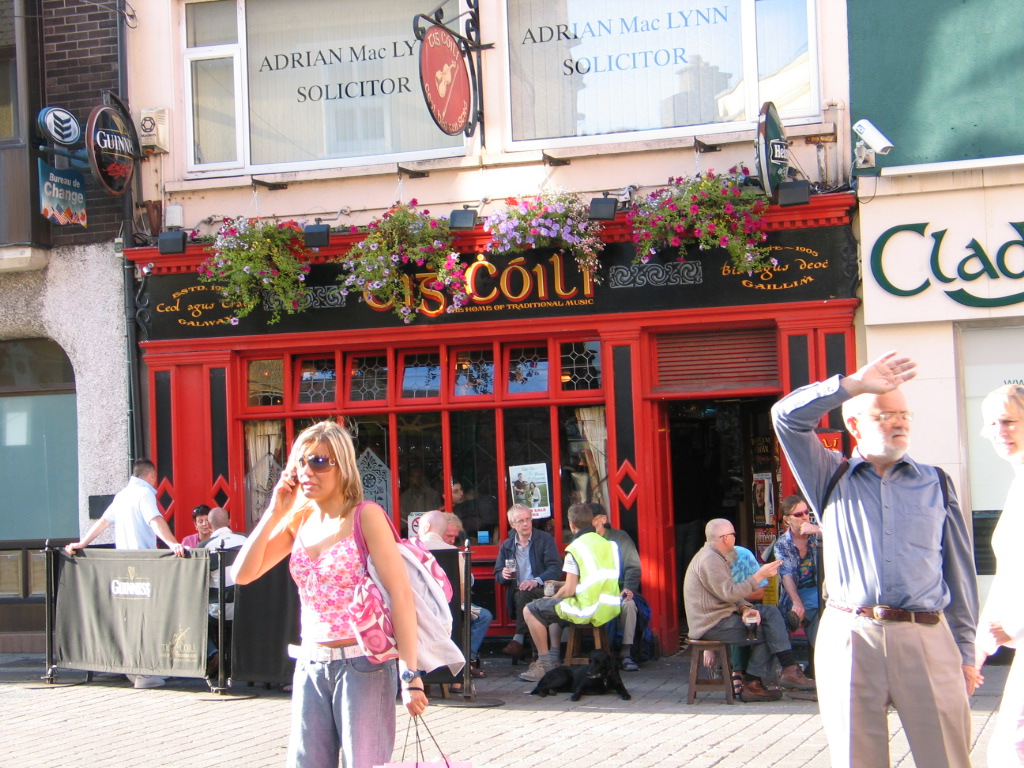
Now, in equally friendly Ireland, you may not want to visit Dublin’s party-hearty Temple Bar on Good Friday – or any other place that usually offers a good time in the Republic of Ireland. While Good Friday is not a public holiday, it is considered a day of rest and Christian worship. The sale of alcohol is prohibited and since many pubs and restaurants are closed, it might be difficult to get a meal outside of your hotel on this day (and forget that pint of Guinness).
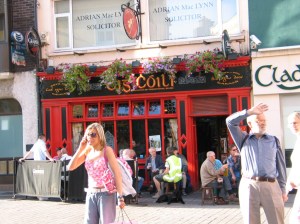
A picturesque pub in Galway

A picturesque pub in Galway

In fact, the holy days of the Catholic Church are still national holidays in many countries. In Germany, Ascension Day (also celebrated as Father’s Day or Men’s Day in some areas of the country) is celebrated 39 days after Easter Sunday. Banks, post offices, stores, businesses, etc., are closed and there are restrictions on the sale of alcohol, public performances and even dancing in some places.

I happened to be in Vienna in 2012 on the Feast of Corpus Christi in early June. All businesses were closed for this national holiday (which is also a public holiday in Poland, Portugal, Croatia, and a number of other countries) and our shopping was limited strictly to admiring the window displays.

However, many of the museums, including the magnificent Schonbrunn Palace, were open so tourists and residents alike could enjoy Vienna’s artistic and historical gems.

Sometimes being in a city during a public holiday can put a damper on activities you assumed would be available to you. On the other hand, if you can be flexible and open to what the locals are doing, you may find something even better.
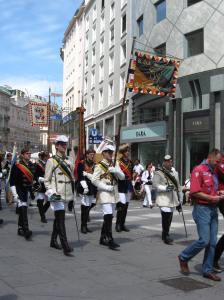
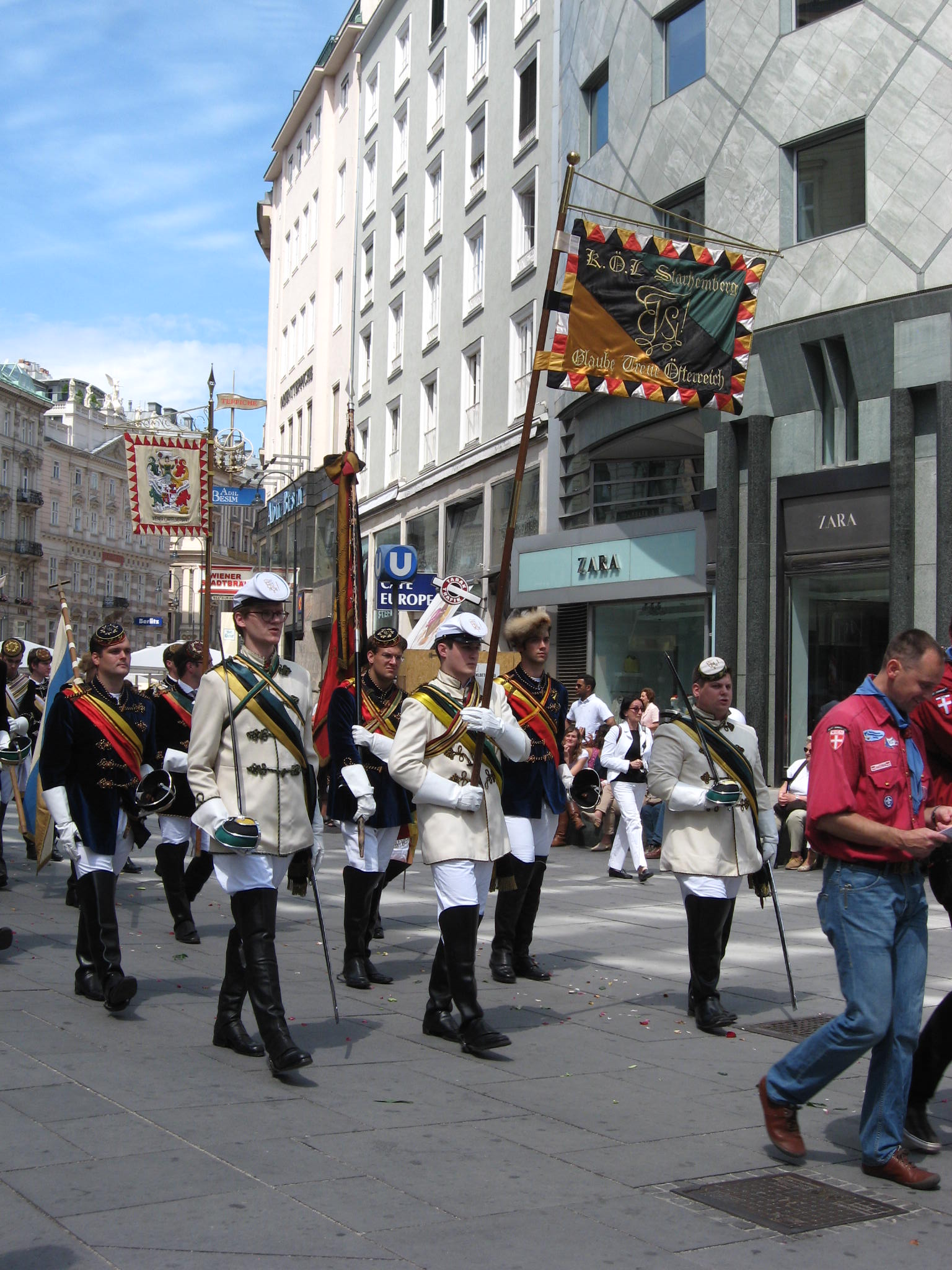
Procession to St. Stephen's Cathedral, Vienna

Procession to St. Stephen’s Cathedral, Vienna

In Vienna, just as we approached the venerable St. Stephen’s Cathedral in the center of the oldest part of the city, the Corpus Christi processional began arriving at the church. Clergy in robes and finery from a rainbow of holy orders marched slowly through the streets as the bells rang in the cathedral tower. Little girls in white dresses carried baskets of greenery and men and women in traditional Austrian costumes smiled as they paraded past on the sun-warmed cobblestones. It was serendipity, and it was simply magical.

I guess the moral of the story is to plan ahead and check sites like timeanddate.com for information on national holidays in the countries you plan to visit. The websites promoting tourism for each country are usually extremely helpful resources.

If you’re planning on seeing exceptionally busy and popular places like the Vatican Museum or the Uffizi in Florence, it really pays to book and pay for your ticket in advance.  You can go online to select a day and time for immediate admission to the museum, rather than waiting in lines for what could be hours.
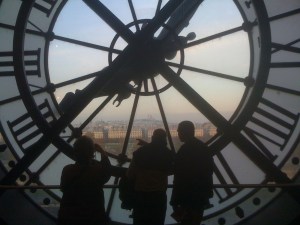
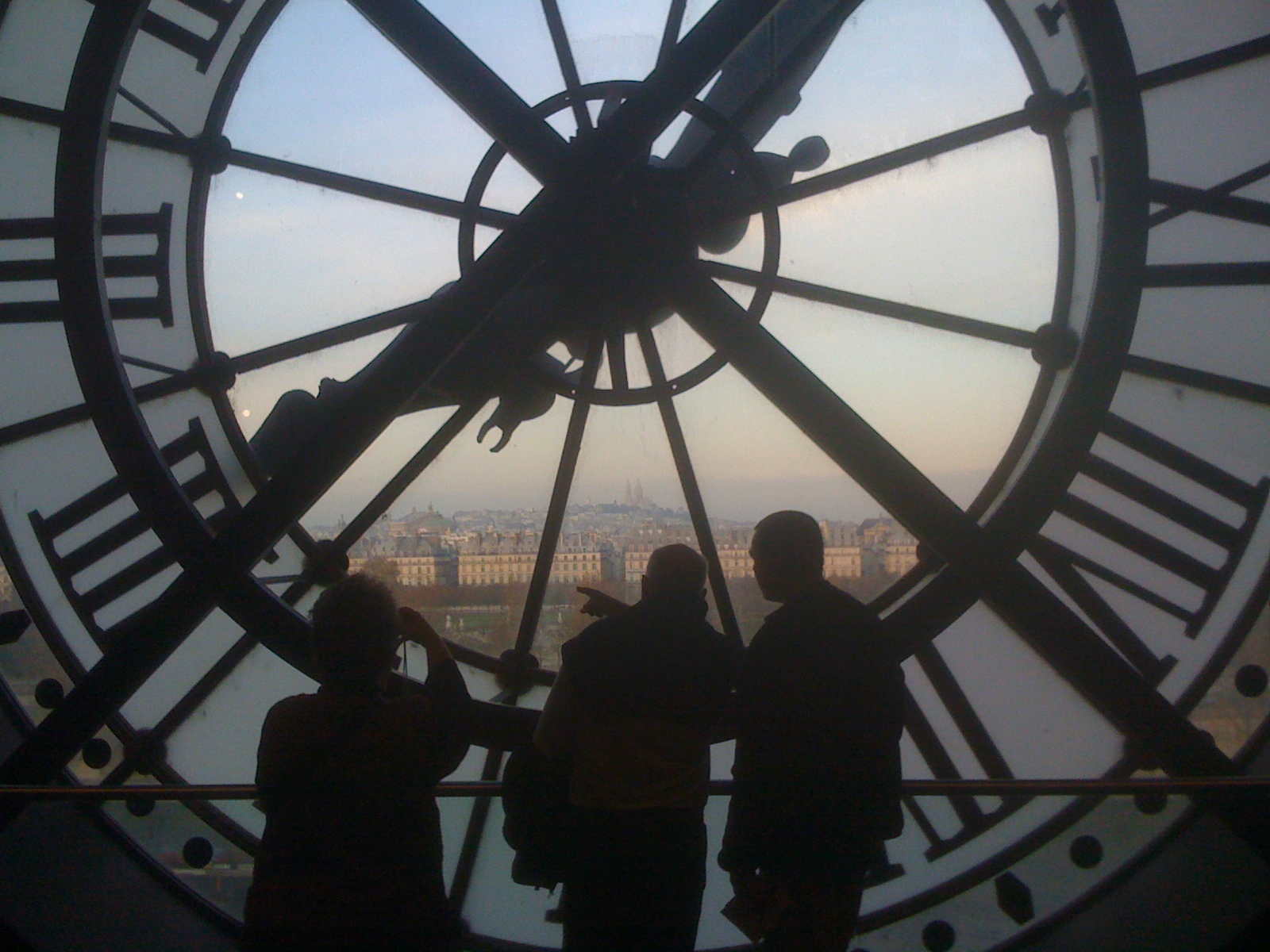
Can't visit the Impressionist paintings at the Musee d'Orsay in Paris on Mondays, either.

On Mondays, you can’t visit the Impressionist paintings at the Musee d’Orsay in Paris, either.

And if you’d rather take your chances and play it by ear? Don’t say I didn’t warn you! But you may just get lucky with a surprise like we did in Vienna. Either way – bon voyage!

Posted in Travel | Tagged , , , , , , , , , , , , , | 4 Comments

Reasons to return to Rome, Part Five: Splish, splash, I want to see a Roman Bath

Normally, my television viewing isn’t especially high brow or educational. I don’t watch “Honey Boo Boo” or “The Bachelor,” but I am a big fan of “Project Runway” and “Masterchef,” “Parks and Recreation” and “Downton Abbey.” In short – I don’t often turn to the TV for intellectual stimulation.

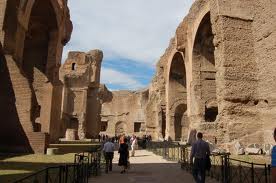
The other night, however, I noticed that there were three one-hour specials on the Science Channel about ancient Rome, so I decided to tune in. On one of the shows – I think it was “What the Ancients Knew” – they talked about the history and construction of the Baths of Caracalla. The ruins can be seen today on Rome’s Celian Hill overlooking the Coliseum.

Now, if you are a European traveler, chances are you’ve run across the ruins of Roman Baths before, and not just in Rome, by any means. When the Roman Empire was at its peak, Romans not only conquered, but strived to impose the Roman lifestyle, upon citizens from the North of England, down through Germany, France, etc., and all around the shores of the Mediterranean.

And that included building baths for the locals.

I mean, I can see why. Can’t you just imagine the Roman invaders avoiding contact as much as possible with the unwashed masses? “For God’s sake, Octavius, can’t you get those peasants to lay rocks any faster? If we don’t get those smelly bastards in a bath soon, I’m heading back to Pisa,” a persnickety captain may have roared.

Now, I have wandered past Roman baths in a number of locales, but I have decided after seeing the Science Channel’s program that I would like to tour one with a knowledgeable guide. If I find myself in Rome again, I could choose from two of the most famous: the Baths of Caracalla or an even larger one right in the heart of Rome, the Baths of Diocletian.

Baths of Caracalla

Baths of Caracalla

Caracalla was actually built first during the reign of the notoriously nasty Emperor Caracalla in AD 217. At capacity with around 1,600 people, Roman citizens came not only to bathe, but to meet for business, hang out with friends, hook up with a prostitute, and to pursue a variety of other activities seemingly unrelated to having a scrub. The Baths of Caracalla were in use for roughly 300 years until the Goths invaded and messed up the plumbing. I kind of picture the guys in the commercial who say, “What’s in YOUR wallet,” wielding axes and clubs, having no clue of how comforting a warm bath would be after a day of pillaging. Stupid move, Goths.

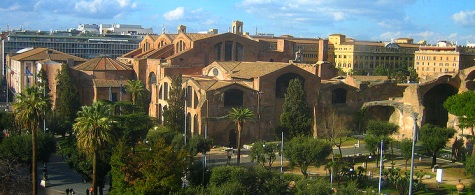
Located near Rome’s central train station (which was very convenient for people coming in from the suburbs), the Baths of Diocletian was close to twice the size of Caracalla serving up to 3,000 people at a time. It was completed in 306 AD and had not only the traditional bath setup, but also libraries, gyms, art galleries and pretty much everything but a Starbucks. (Although, maybe there were coffee shops and that’s what inspired the cafes of the future?)

Baths of Diocletian

Baths of Diocletian

At any rate, your basic Roman Bath consisted of, at the very least, three rooms:  the frigidarium (cold bath), tepidarium (lukewarm bath) and the calidarium (hot bath). Reading various descriptions, it sounds to me like people usually started out with kind of a steam bath or sauna-type experience, then visited the baths in sequence from hot to lukewarm to cold. Following a cooling dip in the frigidarium, they’d cannonball into an open-air pool called the natatio. If you could afford it, you’d finish off the experience with a caramel macchiatto and a rub down by a masseuse wielding a scented woolen cloth.

(Then there’s the question I think we’d all like answered:  with all those people getting in and out of the water all the time, did they wear some early version of a swimsuit – or were they walking around naked? I’m just asking.)

I don’t know how often people actually visited the baths, but it seems to me that getting clean could take up the better part of a day. Especially if you were mixing in a little socializing or reading in the library at some point in the midst of all the sweating, dipping and washing. When did they work? Or was this mainly for wealthier folks who didn’t have to punch a time clock somewhere?

If you’d like to learn more about Roman baths, there are plenty of resources out there. I Googled, of course, and two really helpful sites were ROME.INFO and italyguides.it. I also found a site called historvius.com that has a great map pinpointing locations of ruins as well as a list of the top ten, best preserved baths you could visit in various countries. For more technical and engineering-type info, you might enjoy reruns of the shows about Rome on the Science Channel, as well.

As a bonus, if you decide to visit the Diocletian Baths in Rome, you’ll also get to see structures that were later built incorporating sections of the ruins, like the Basilica of Saint Mary of the Angels and the Christian Martyrs that was designed by Michelangelo.  Parts of the bath’s original main hall and the “octagonal aula” were integrated into the Museo Nazionale Romano (National Roman Museum).

What would you like to see if you go to Rome? If you have an idea for my sixth reason to return to Rome, please post in the comments! Ciao!

Posted in Travel, Uncategorized | Tagged , , , , | 5 Comments

A few tips on tipping: #2 – Need help with your bags, ma’am?

Now, I admit, when I arrive at a hotel in the United States, I do find it a little aggravating that you’d better have a wad of cash in your hand before the airport cab pulls up to the hotel’s main entrance. Your first tip (of many) upon arrival will be 10% for the cab driver. 

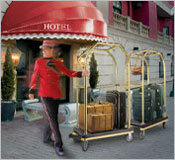
And before you’ve signed off on your MasterCard or collected a receipt for the ride, a hotel doorman has dashed to the trunk of the car to grab your bag and find out if you want it delivered to your room. Even if that “bag” is a Hello Kitty backpack holding little besides your jammies and toothbrush, you still need to give the doorman a dollar as you retrieve your pack to carry to the room yourself. bellman at hotel

If you have more substantial luggage and do need help getting it to your room, the doorman will hand off your suitcase to a bellman who will carry it to the bell stand, write a claim ticket for you, then point you toward the check-in desk. Tip number three: a dollar or more, depending on how many bags (and how big) the bellman had to handle.

You check in. You get to your room and it’s time to call the bell desk, give them the claim number, and wait for yet another bellman to bring the luggage to your room. This will require more cash and since this is the person who appears to have expended the most effort, having hauled your stuff from the valet desk up to your room on the umpteenth floor, I think he deserves the most substantial tip.

Generally speaking, I’d tip $2 per bag in a moderately priced hotel. You might tip a little higher if  the poor guy had to wrestle with a duffel containing your rock collection, or if you’re in a hotel so fancy that the staff many not recognize a one dollar bill. Tip extra if you take the bellman up on his offer to fill your ice bucket or conduct a guided tour of your room with useful instructions on topics like how to open drapes or work a remote control for the television.

Whew. Okay. We’re in the room. Put away the wallet and relax.

Be prepared for unexpected tipping

But wait.  Not so fast there, pardner. You need to iron a shirt that was folded nicely when you packed, but now looks like it was wadded and twisted out of shape by suitcase gremlins sometime during the trip. The iron doesn’t work, so you call Housekeeping for a replacement.

Every time you ask Housekeeping or any other department of the hotel to bring anything to your room, plan on tipping at least a dollar to the person who delivers it. The more complicated the request (please bring me two hypoallergenic pillows and I forgot my toothbrush and . . .) the more you tip. It doesn’t matter if the broken iron wasn’t your fault. It wasn’t the fault of the young woman who brought you a new one from the basement supply room, either.

man flowers 2Or, let’s say your Italian lover surprises you with a lovely bouquet of roses delivered to your room. Before you swoon over it, be sure to give a couple bucks to the kid who delivered the flowers.

Maybe you’re traveling for business and, corporate mogul that you are, the hotel surprises you with an amenity for your room – say, a fruit basket or a bottle of wine. It doesn’t matter that you didn’t order it (you didn’t order the flowers either, right?). It doesn’t matter that it’s a gift from the hotel. Tip the person who brought it to you. It’s the right thing to do.

As a rule of thumb, don’t answer the door without a buck in your hand. You may not always need it, but I’ll give you better than 50-50 odds that you will. And for that matter, don’t try to use some Gen Y or Q or whatever excuse that you always just use your debit card for everything and don’t have cash. Baloney. You’re traveling. Go to the bank and load up on one dollar bills before you leave town.

How does all this work in Europe? Pretty much the same way. Maybe it wasn’t always that way, but with so many Americans traveling, I think hotel staff expect it of Americans. They may not hold other Europeans to the same expectations, but unless you are masquerading as a Swede (good luck with that), they will know you’re American and think you’re cheap if you don’t do something tip-wise.

Feel free to consult Rick Steves, everybody on Google, Arthur Frommer, and your cousin Tony and heed whatever advice you like best. This is my take on it and, as you know, I am a great believer in being generous, smiling and saying thank you. Life’s short. Have fun traveling and don’t be a cheapskate. Ciao!

Posted in Travel | Tagged , , , , | Leave a comment

Hail Franconia and a surprise in Wurzburg

Don’t you love it when you’re surprised by a place? The city of Wurzburg, Germany, was a stop on our Viking river cruise and our destination there, the Wurzburg Residenz.

Wurzburg? I’d never heard of it. And when I learned that it was in a region of Northern Bavaria called Franconia, it sounded suspiciously to me like the setting of a Marx Brothers movie.ducksoup1

Wait. Maybe that was Fredonia? I can almost hear the song . . . .

Anyway, Wurzburg’s prime tourist attraction is the spectacular Wurzburg Residenz, a building that deserves to be every bit as famous as Frances’ exquisite Versailles. Construction began around 1720 for Prince-Bishop Johann Phillipp Franz von Schonborn.

I’m not sure what it means to be a “prince-bishop.” But I do hope the funds that built this rococo masterpiece came from the prince’s pocketbook rather than from Sunday collections.

I have friends going on the same cruise next year and when we met to talk about the places I’d visited, Jayne wasn’t sure if she’d go on the Residenz tour or not. Soooo . . . this post is to urge Jayne (and you, if you’re in the neighborhood!) to visit this magnificent place. Unfortunately, we were not permitted to take photos inside. And a blog without photos is kind of wah-wah-wah . . . don’t you think?

As it turns out, my favorite photo of that whole trip, was taken from the courtyard at the Residenz, looking toward the Marienbad Fortress in the distance.IMG_1470

I did find a beautiful YouTube piece (link below – hope it works) posted by JourneyMephistix in 2011 that gives you a tour of the interior of the residence. One little piece of information I remember is that carriages drove right into the gigantic entrance hall so ladies could alight at the foot of the grand staircase, gliding up to join the festivities in the ballroom above.

Residenz Würzburg

Another little tidbit about Wurzburg:   between 1626 and 1631, as many as 900 witches were brought to trial and burnt, making the activities in Salem look like small potatoes. This took place under Bishop Adolph and was one of the largest peace-time mass trials in history.

Do Google Wurzburg Residenz for detailed information about the history of the building and the priceless works of art and decorative pieces inside it. Most of the city and a good portion of the residence was destroyed in bombing just weeks before the end of World War II. Fortunately, the Imperial Hall with its frescoes by Italian master Tiepolo and the Grand Staircase, along with the Vestibule, Garden Hall and White Hall survived, even as the building’s burning attic collapsed.

Later the resourceful war widows of Wurzburg spearheaded a 20 million euro renovation not only of the Residenz, but of the city itself. Seeing the magnificent Wurzburg Residenz is worth the trip – promise.

Posted in Uncategorized | 6 Comments

A few tips on tipping: #1 – Do you want frites with that?

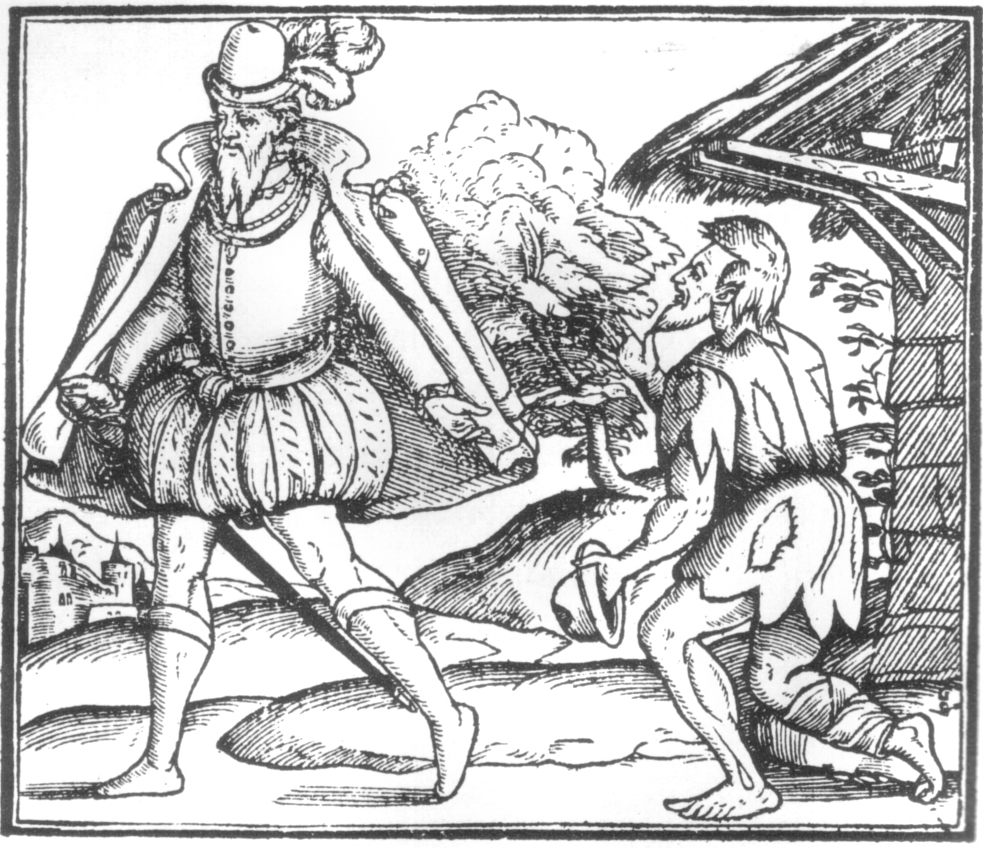
I don’t know how, when or where the custom of tipping others for their services came about. I picture it starting with a clever, yet scruffy Cockney boy holding the carriage door open for a duke or earl as he leaves his club in the city. The gent drops a penny in the poor boy’s palm and murmurs, “For you, little chap!” The youth sweeps his tattered cap across his chest in a deep bow and pipes, “Thank ‘e kindly, guv’nor!” Thinking he’s onto a good thing, he hangs around to repeat the experience with the next gentleman, brags about it later to his friends . . . and tipping is born.

Perhaps I should one day do the research and write another post on the true history of woodcuttipping. In the meantime, I think this version is completely plausible, don’t you?

At any rate, for many people, tipping associated with travel can be a bit confusing. Tipping when traveling overseas is even more problematic.

My first piece of advice to you is this:  if you can afford to travel, you can afford to tip the people who help you out along the way. If you need to watch your pennies while you’re on the road, start with refilling your water bottle at a fountain instead of buying several new bottles a day. Put that money toward tipping the people who probably couldn’t dream of taking the vacation you’re currently enjoying.

Let’s start with . . .

Tipping in Restaurants

In the U.S., you know as well as I do that waiters and waitresses don’t even make minimum wage. Right? Sometimes they make so little, that salary may not be enough to cover their withholding taxes and social security deductions, which are based on what their combined income of wages and tips is estimated to be.

beer waitress - Copy

I think you should tip your server 15% for showing up, bringing your food, and not being obnoxious. Tip a pleasant, helpful server 20%. Don’t mess with a calculator. Round up. Oh – and even if you’re paying with a credit card, your server will truly appreciate it if you can leave your tip in cash. In some not-so-classy restaurants, the owners will deduct whatever percentage they have to pay to Visa or American Express, so your waiter does not get the entire amount you think you’re paying. Really unscrupulous employers may not even pay out tips put on cards. It does happen.

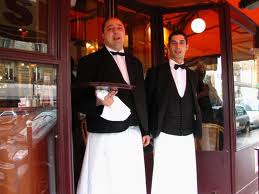
In Europe, tipping in restaurants is trickier. Generally speaking, waiters (I don’t French waitersremember seeing many waitresses, except in little coffee shops, now that I think of it) make a decent living wage. A waiter in France considers his job his career and prides himself on his knowledge and service – and does not rely on tips from us to pay his bills. Having said that, when you get the final bill, it’s good form to round up and leave a little something – maybe 10%.

If your server is especially kind and helpful as you try to work your way around a foreign menu and wines you’re not familiar with, then tip a bit more. Say thank you. Be a charming American. Ugly Americans are old hat.

Tipping for Room Service

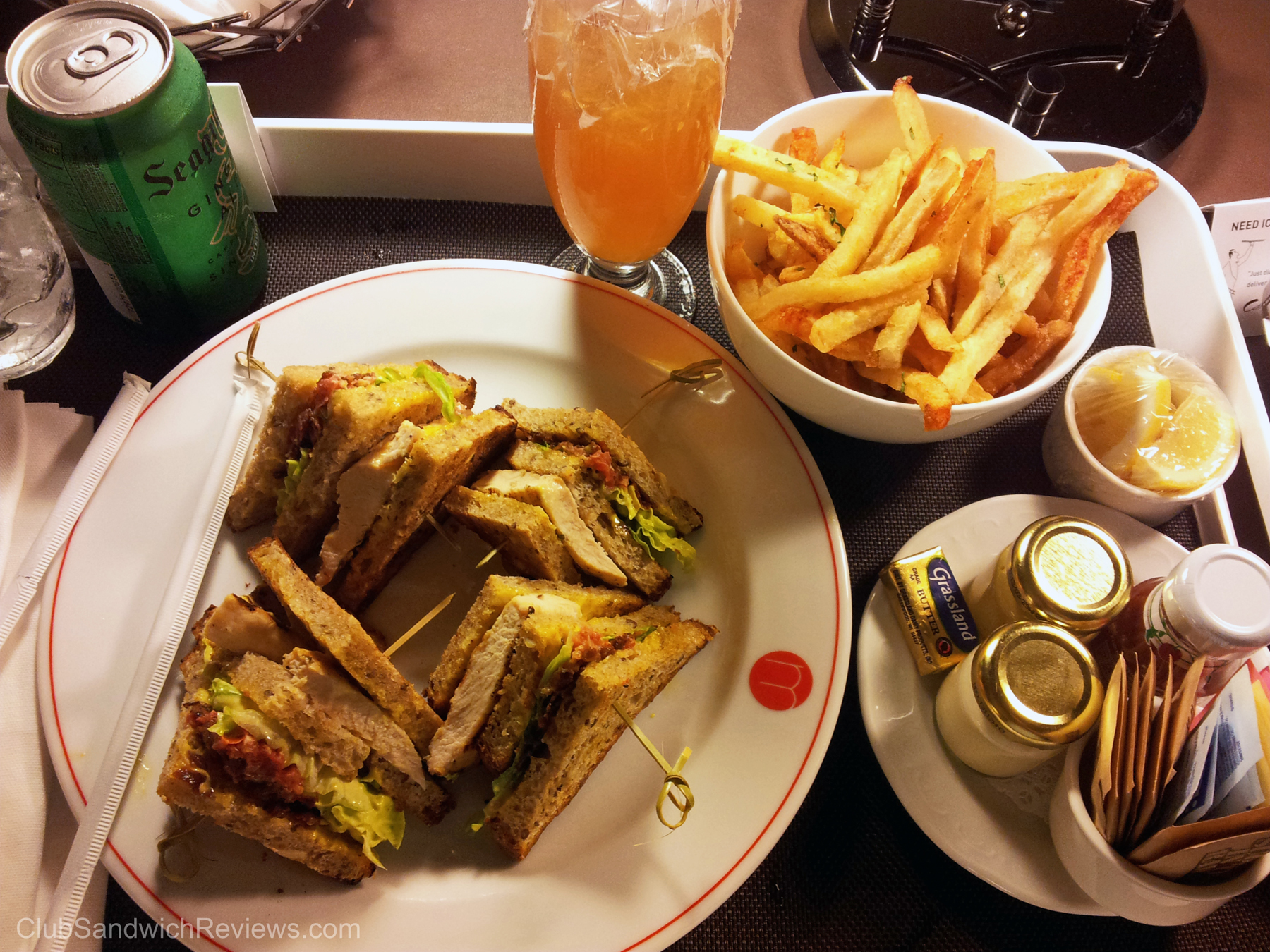
Nothing like lying on the bed watching a movie with your $15 club sandwich and a beer, right? This is as good a reason to leave home as any.

It used to be that the smiling waiter would deliver the grub, you’d sign the slip to charge it to your room, hand him a few dollars for the delivery and that’s all she wrote. Today, I suggest you look at the bill before you sign it to see if you are being charged a delivery charge and/or service charge by the hotel.club sandwich

The service charge, which is usually somewhere between 15-20%, should be the waiter’s tip. If you feel that’s sufficient for the delivery of your meal, then you’re done. Right?

But wait – before you close the door and dig in, ask the wait person if she actually GETS some or all of that service charge as a gratuity. If she does get the full amount, she will tell you and probably thank you for asking. It’s nice to know that people care.

If she does not get that service charge, or only a portion of it, then you may want to write in her tip on the line that says “additional gratuity” or “tip.”

The interesting – and tricky – thing about this is that all the bills have that blank line for a tip, whether the waiter gets the service charge or not. Don’t make the mistake of thinking because there’s a space for a tip, you’d better write it in.

Conversely, just because there’s a service charge, don’t assume the waiter gets it. If you ask, the hotel may claim it’s a charge they add to cover their own costs of getting hot food to your room. As I said, it’s tricky. All you can do is trust the waiter to tell you the truth, and chances are that most of the time, he will.

I’ll share more ideas on tipping in the weeks ahead. In the meantime, for the best advice on tipping customs in Europe, I always defer to travel guru Ricks Steves. If you’re wondering about how tips are handled elsewhere, try Googling “tipping in Thailand” or wherever you’re headed and you’re sure to get any number of helpful hints on-line.

Posted in Uncategorized | Leave a comment

How Italy’s art was saved during World War II

I am an inveterate reader. I just looked that up to be certain I’m using “inveterate” correctly and the dictionary said something like a “habit of longstanding.” I was one of those kids who hid under the covers with a book and flashlight after bedtime, so yes – inveterate definitely works for me.

When I travel, I used to bring at least three or four books with me to read on the plane and during down time in the evening before bed. Now I have a Kindle for that purpose and my carry-on bag no longer has the potential to be used as a lethal weapon.

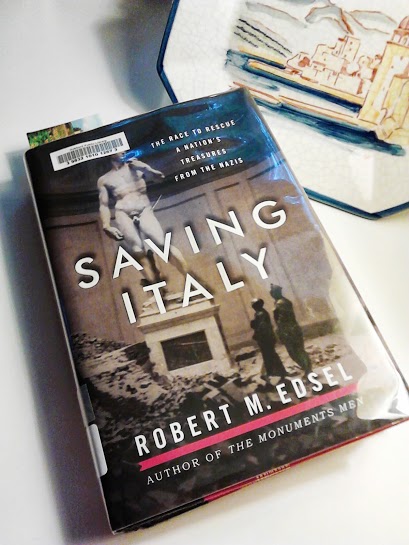
IMG_20130727_090813I thought it might be fun (for me – maybe for you, too?) to occasionally share information about a book I’m reading that is related to travel. Right now I’m reading a new release called Saving Italy by Robert M. Edsel. It’s the story of the “Monuments Men” – American military personnel who tried to work within the constraints of, well, WORLD WAR II to protect and save as many of the irreplaceable paintings, sculptures and notable historic buildings from destruction.

I would end up spending the better part of a day just trying to cover a smidgen of what this book addresses in detail, from the first days of landing in Sicily and then on to the “toe of the boot” of Italy, as the fighting made its devastating progress north to Naples, Rome, Florence and beyond. I remember hearing the names of battles at places like Monte Cassino and Anzio, but this book brings the past to light again in a way I’ll never forget – and especially if I am fortunate enough to return to Italy one day.

If you have ever stood in the Academia to experience Michelangelo’s David, or gazed in wonder at Botticelli’s glorious Venus in the Uffizi; if you have ever wandered through the crowds ogling trays of gold jewelry in the shops on the Ponte Vecchio or admired the legendary doors of the Baptistery; if you have fallen in love with Florence (and Rome, and Naples, and . . . ), then you will be astounded to read what the Italian people and their exquisite cities endured as the Allied troops forced the Germans to the North, one bloody inch at a time.

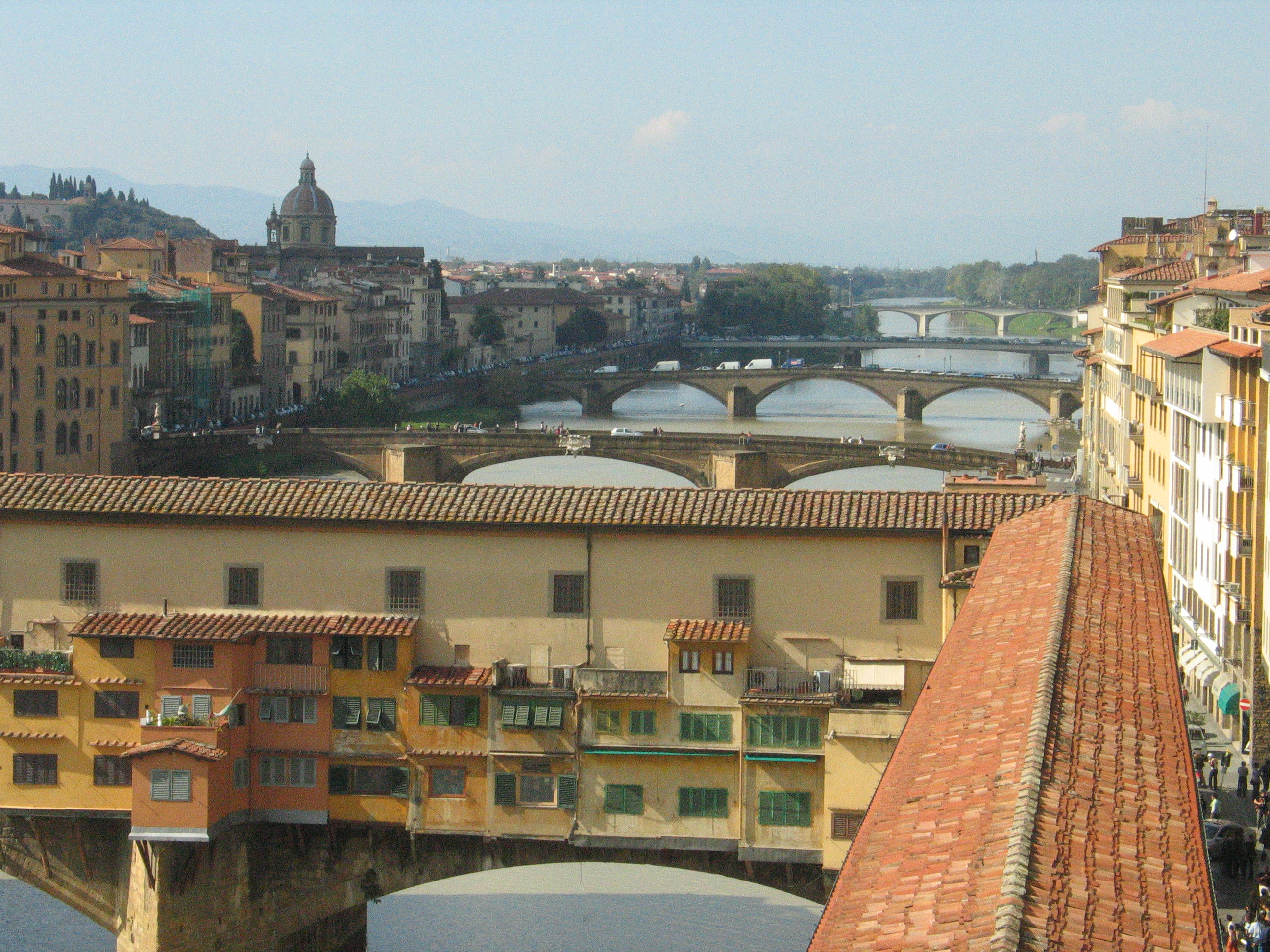
I did not realize that the Nazis blew up all the bridges, except the Ponte Vecchio, to deter the advancement of the Allies into the city. And, all the buildings on either side of the river flanking the Ponte Vecchio were flattened to rubble.

When you visit today, you would never guess such a thing took place. The bridges are beautiful. The buildings look like they’ve been there since the Medici’s ruled Tuscany. I was so surprised to learn that Florence had experienced such damage, and that the restoration was so carefully and successfully executed, today ignorant tourists like me can believe the city had been spared.

Florence's bridges, with the Ponte Vecchio in the foreground

Florence’s bridges, with the Ponte Vecchio in the foreground

If you love Italy, if you love art, if you wander the cobbled streets in awe of this country’s precious buildings and sites of antiquity – read this book.

Hats off to the Monument Men, and to all the Allied troops and proud Italians who worked in the midst of a hellish war to preserve the treasure that is Italy for future generations.

Posted in Travel, Uncategorized | Tagged , , , , , , , , | 11 Comments